
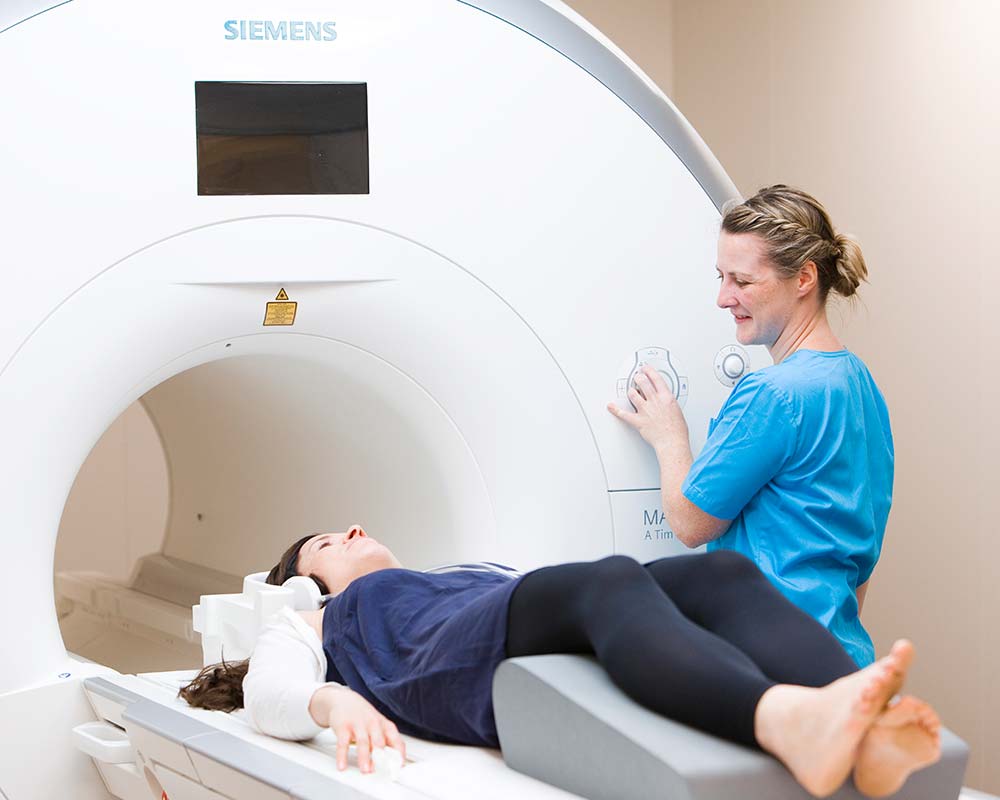
If you have neck pain or back pain radiating into your arms or legs, we can identify the possible triggers with a MRI recognise.
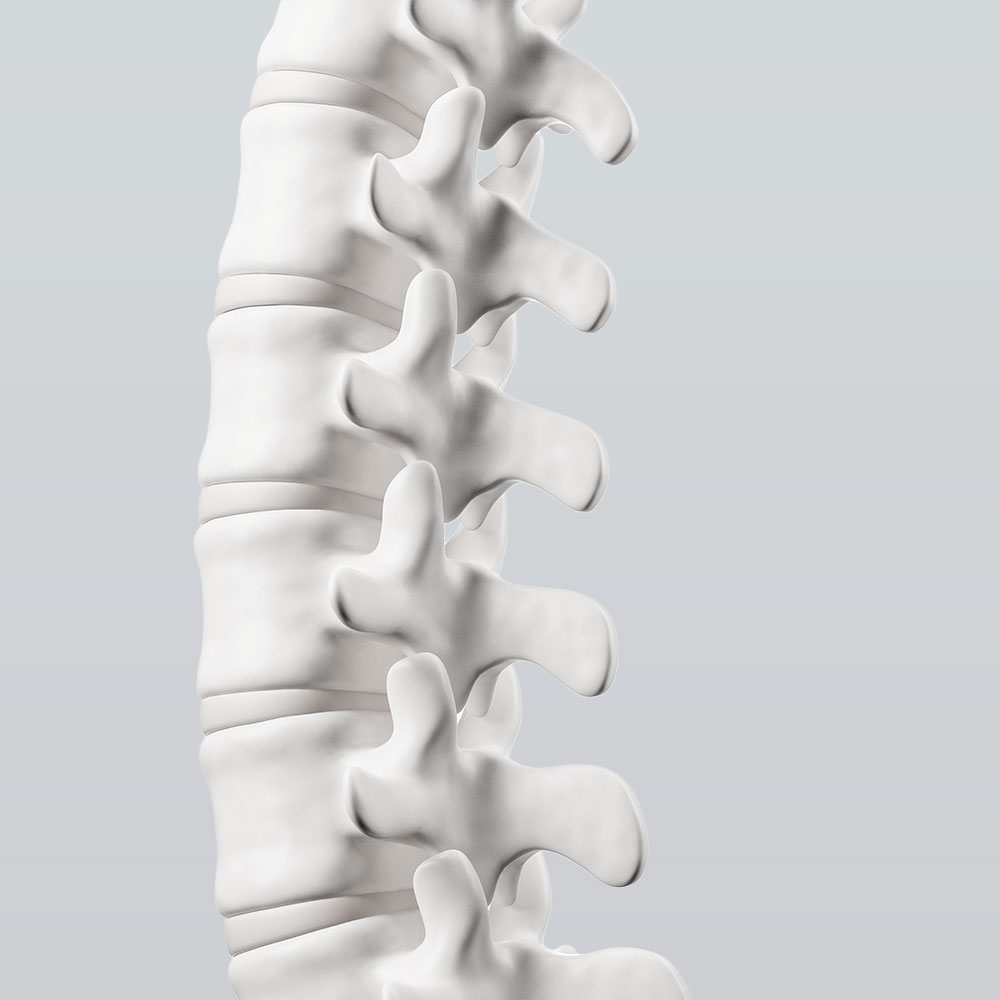
Herniated discs, inflammation of the spine or narrowing of the spinal canal can be precisely visualised.
We can also clarify the consequences of accidents following falls or whiplash injuries.
You will receive a clear assessment of your symptoms and we will then discuss the results with you step by step.
Possible examinations
Indications
- Neck pain
- Herniated or bulging disc
- Sensitivity disorders in the hands and/or fingers
- Injuries to the cervical spine (e.g. whiplash)
- Vertebral body fractures
- Spinal canal stenosis
- Postoperative conditions (e.g. disc surgery, spinal canal dilation, fusion of vertebral bodies, etc.)
- Diseases of the spinal cord (e.g. myelopathy, myelitis, syringomyelia, etc.)
- Multiple sclerosis (MS)
- Bechterew's disease (ankylosing spondylitis)
- Tumours in the cervical spine area
- Chiari malformation
Storage
- Comfortable on the back with the head in the centre of the device
Examination time
- approx. 15 minutes
Contrast medium
- This usually takes place MRI examination without the use of a Contrast agent
- However, there are individual questions that cannot be answered with certainty without a contrast agent
- If this is necessary, you will be informed and informed in good time
Indications
- Non-specific back pain (between the shoulder blades and/or belt-shaped around the ribcage)
- Nausea and dizziness
- Palpitations
- Herniated or bulging disc
- Injuries to the thoracic spine (e.g. fall)
- Deformities of the thoracic spine (e.g. scoliosis)
- Vertebral body fractures
- Spinal canal stenosis
- Postoperative conditions (e.g. disc surgery, spinal canal dilation, fusion of vertebral bodies, etc.)
- Osteoporosis
- Inflammatory spinal diseases (e.g. ankylosing spondylitis, axial spondylarthritis, spondylodiscitis, etc.)
- Diseases of the spinal cord (e.g. myelopathy, myelitis, syringomyelia, etc.)
- Multiple sclerosis (MS)
- Tumours in the area of the thoracic spine
- Scheuermann's disease (adolescent kyphosis)
Storage
- Comfortable on the back with the head in the centre of the device
Examination time
- approx. 20 minutes
Contrast medium
- This usually takes place MRI examination without the use of a Contrast agent
- However, there are individual questions that cannot be answered with certainty without a contrast agent
- If this is necessary, you will be informed and informed in good time
Indications
- Non-specific back pain
- Herniated or bulging disc
- Sensory disorders in the legs and/or feet
- Foot drop
- Claudication symptoms
- Injuries to the lumbar spine (e.g. fall)
- Deformities of the lumbar spine (e.g. scoliosis)
- Vertebral body fractures
- Fatigue fracture of the vertebral arch
- Spinal canal stenosis
- Slipped vertebrae (spondylolisthesis)
- Postoperative conditions (e.g. disc surgery, spinal canal dilation, fusion of vertebral bodies, etc.)
- Osteoporosis
- Inflammatory spinal diseases (e.g. ankylosing spondylitis, axial spondylarthritis, spondylodiscitis, etc.)
- Malformations (e.g. tethered cord syndrome, spina bifida, etc.)
- Tumours in the area of the lumbar spine
Storage
- Comfortably on your back with your head in the centre of the device or with your feet in front and your head outside the tube
Examination time
- approx. 20 minutes
Contrast medium
- This usually takes place MRI examination without the use of a Contrast agent
- However, there are individual questions that cannot be answered with certainty without a contrast agent
- If this is necessary, you will be informed and informed in good time
Indications
- Injuries to the lumbar spine and sacrum (e.g. fall)
- Slipped vertebrae (spondylolisthesis)
- Inflammatory spinal disease (ankylosing spondylitis, axial spodyloarthritis, spondylodiscitis, etc.)
- Inflammation of the sacroiliac joints (sacroileitis)
- Fatigue fracture of the sacrum
- Osteoporosis
- Congenital anatomical variants (e.g. lumbarisation of S1)
Storage
- Comfortably on your back with your head in the centre of the device or with your feet in front and your head outside the tube
Examination time
- approx. 25 minutes
Contrast medium
- This usually takes place MRI examination without the use of a Contrast agent
- However, there are individual questions that cannot be answered with certainty without a contrast agent
- If this is necessary, you will be informed and informed in good time
Indications
- Non-specific back pain
- Nausea and dizziness
- Palpitations
- Herniated or bulging disc
- Injuries to the thoracic spine/lumbar spine (e.g. fall)
- Deformities of the thoracic/lumbar spine (e.g. scoliosis)
- Vertebral body fractures
- Spinal canal stenosis
- Postoperative conditions (e.g. disc surgery, spinal canal dilation, fusion of vertebral bodies, etc.)
- Osteoporosis
- Inflammatory spinal diseases (e.g. ankylosing spondylitis, axial spondylarthritis, spondylodiscitis, etc.)
- Diseases of the spinal cord (e.g. myelopathy, myelitis, syringomyelia, etc.)
- Multiple sclerosis (MS)
- Tumours in the area of the cervical spine / lumbar spine
- Scheuermann's disease (adolescent kyphosis)
- Sensory disorders in the legs and/or feet
- Foot drop
- Claudication symptoms
- Fatigue fracture of the vertebral arch
- Slipped vertebrae (spondylolisthesis)
- Malformations (e.g. tethered cord syndrome, spina bifida, etc.)
Storage
- Comfortable on the back with the head in the centre of the device
Examination time
- approx. 30 minutes
Contrast medium
- This usually takes place MRI examination without the use of a Contrast agent
- However, there are individual questions that cannot be answered with certainty without a contrast agent
- If this is necessary, you will be informed and informed in good time
Indications
- Non-specific back pain
- Nausea and dizziness
- Palpitations
- Herniated or bulging disc
- Injuries to the thoracic spine/lumbar spine (e.g. fall)
- Deformities of the thoracic/lumbar spine (e.g. scoliosis)
- Vertebral body fractures
- Spinal canal stenosis
- Postoperative conditions (e.g. disc surgery, spinal canal dilation, fusion of vertebral bodies, etc.)
- Osteoporosis
- Inflammatory spinal diseases (e.g. ankylosing spondylitis, axial spondylarthritis, spondylodiscitis, etc.)
- Diseases of the spinal cord (e.g. myelopathy, myelitis, syringomyelia, etc.)
- Multiple sclerosis (MS)
- Tumours in the area of the thoracic spine / lumbar spine
- Scheuermann's disease (adolescent kyphosis)
- Sensory disorders in the legs and/or feet
- Foot drop
- Claudication symptoms
- Fatigue fracture of the vertebral arch
- Slipped vertebrae (spondylolisthesis)
- Malformations (e.g. tethered cord syndrome, spina bifida, etc.)
Storage
- Comfortable on the back with the head in the centre of the device
Examination time
- approx. 30 minutes
Contrast medium
- This usually takes place MRI examination without the use of a Contrast agent
- However, there are individual questions that cannot be answered with certainty without a contrast agent
- If this is necessary, you will be informed and informed in good time
Indications
- Coccyx pain (coccygodynia)
- Misalignments
- Injuries to the coccyx (bruising, broken bones)
- Anomalies (e.g. Currarino syndrome, anorectal malformation, etc.)
- Pilonidal sinus (chronic inflammatory disease of the gluteal fold)
- Tumours
Storage
- Comfortably on your back with your head in the centre of the device or with your feet in front and your head outside the tube
Examination time
- approx. 20 minutes
Contrast medium
- This usually takes place MRI examination without the use of a Contrast agent
- However, there are individual questions that cannot be answered with certainty without a contrast agent
- If this is necessary, you will be informed and informed in good time