
The most common indications for a MRI are upper abdominal complaints, unexplained abdominal pain, clarification of inflammation or tumour processes in the abdomen and pelvis.
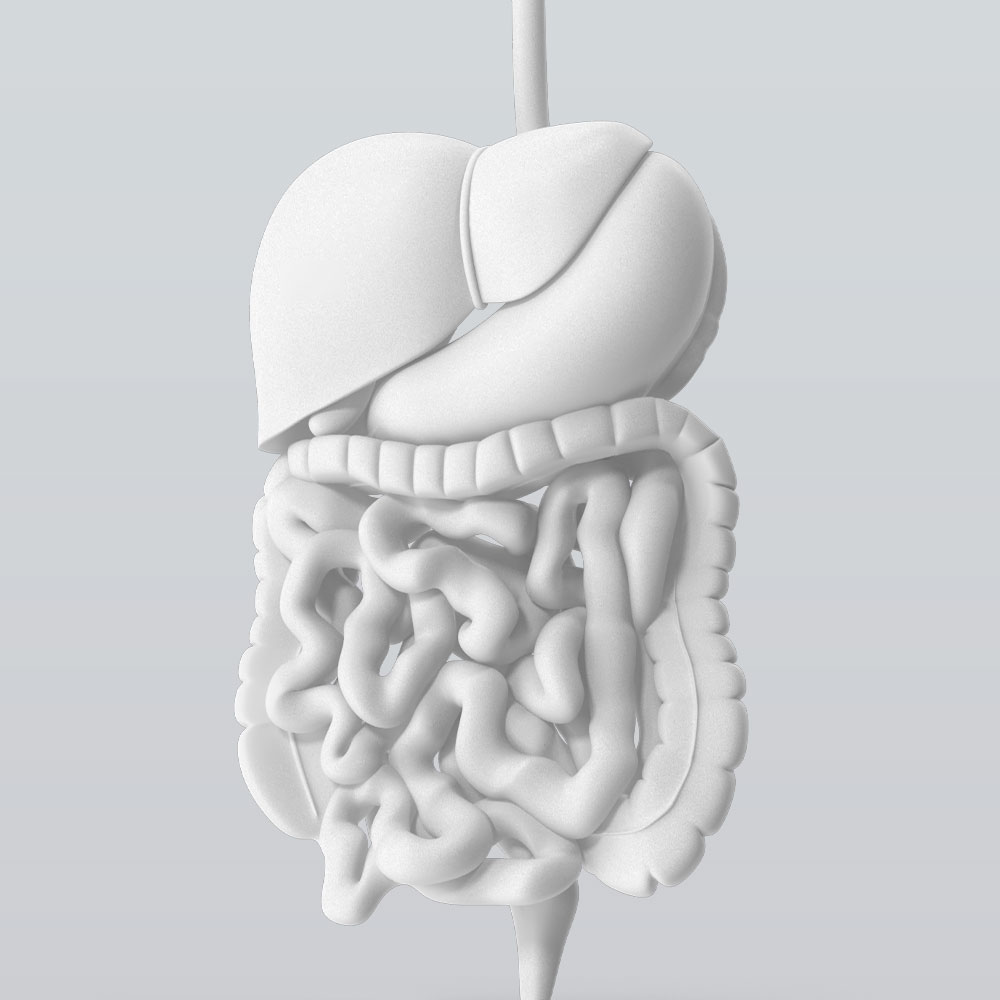
You will receive a precise visualisation of all organs of the abdominal cavity, as well as the kidneys and urinary tract.
We then discuss the results with you in an understandable way.
Possible examinations
Indications
- Unclear abdominal pain
- Inflammatory processes in the abdomen
- Detection and characterisation of focal liver lesions (e.g. cysts, haemangiomas, focal nodular hyperplasia, hepatocellular adenomas, etc.)
- Searching for metastases in the liver
- Diseases of the bile ducts (e.g. bile blockage due to gallstones, gallbladder inflammation, etc.)
- Visualisation of the bile ducts and the pancreatic duct (MR cholangiopancreaticography = MRCP)
- Clarification of the spleen (e.g. spleen infarction, cysts, haemangiomas, etc.)
- Clarification of the pancreas (e.g. pancreatitis, cysts, pancreatic tumours, etc.)
- Detection and characterisation of adrenal gland masses (incidentaloma, adenoma, pheochromocytoma, adrenal carcinoma, adrenal metastasis)
- Kidney diseases (e.g. tumours, inflammation, urinary retention)
- Detection and characterisation of renal cysts (atypical renal cyst vs. cystic neoplasia)
- Swollen lymph nodes (abdominal lymphadenopathy)
- Malformations of the various abdominal organs (e.g. pelvic kidney, pancreas divisum, etc.)
- Abdominal wall hernia
- Tumours
Storage
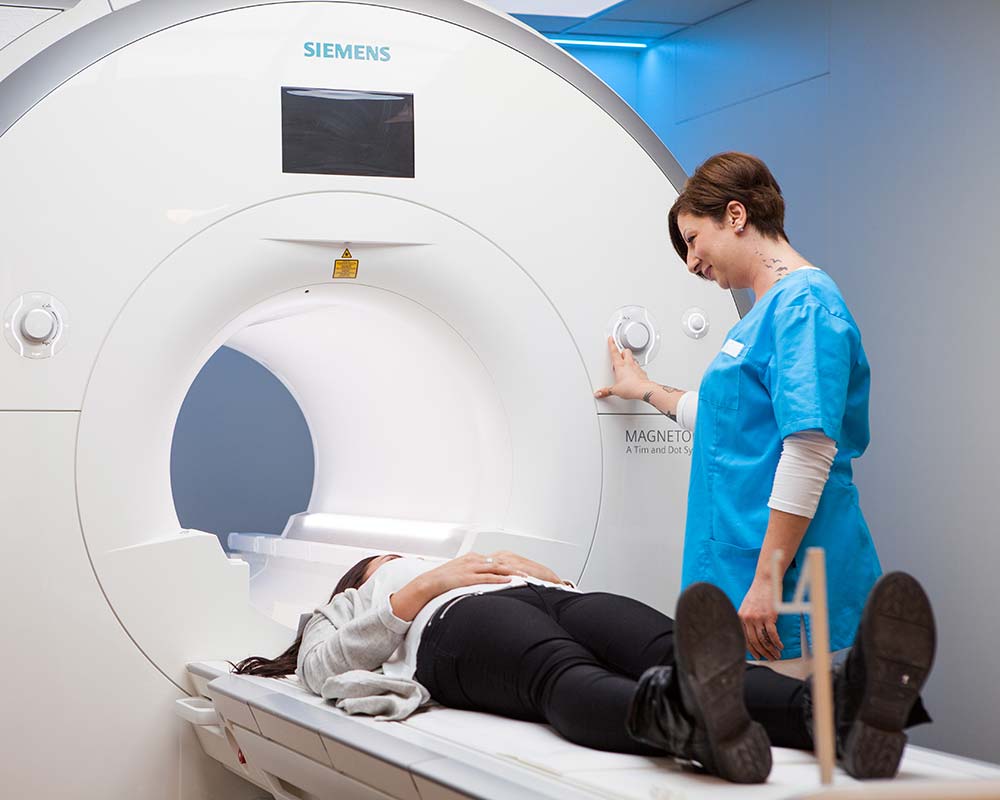
- Comfortable on the back with the head in the centre of the device
Contrast medium
- To minimise the significance of the Investigation the administration of Contrast medium be necessary
Indications
- Diseases of the rectum and anus (e.g. perianal or anorectal fistulas and abscesses)
- Diseases of the urinary bladder (e.g. fistulas, diverticula, urothelial carcinoma, etc.)
- Visualisation of the urinary tract (MR urography)
- Diseases of the female reproductive organs (e.g. endometriosis, fibroids, endometrial or cervical carcinoma, etc.)
- Malformations of the reproductive organs (e.g. testicular search for cryptorchidism, septate uterus, bicornuate uterus, vaginal atresia, etc.)
- Detection and characterisation of ovarian masses (e.g. ovarian cyst, teratoma, ovarian carcinoma, etc.)
- Diseases of the male reproductive organs (e.g. epididymitis, testicular malposition, etc.)
- Detection and characterisation of masses in the inguinal region (e.g. inguinal or femoral hernia, aneurysm, haematoma, soft tissue tumour, etc.)
- Swollen lymph nodes (abdominal or pelvic lymphadenopathy)
Storage
- Comfortable on the back with the head in the centre of the device
Contrast medium
- To minimise the significance of the Investigation the administration of Contrast medium be necessary
Indications
- Unclear abdominal pain
- Inflammatory processes in the abdomen
- Detection and characterisation of focal liver lesions (e.g. cysts, haemangiomas, focal nodular hyperplasia, hepatocellular adenomas, etc.)
- Searching for metastases in the liver
- Diseases of the bile ducts (e.g. bile blockage due to gallstones, gallbladder inflammation, etc.)
- Visualisation of the bile ducts and the pancreatic duct (MR cholangiopancreaticography = MRCP)
- Clarification of the spleen (e.g. spleen infarction, cysts, haemangiomas, etc.)
- Clarification of the pancreas (e.g. pancreatitis, cysts, pancreatic tumours, etc.)
- Detection and characterisation of adrenal gland masses (incidentaloma, adenoma, pheochromocytoma, adrenal carcinoma, adrenal metastasis)
- Kidney diseases (e.g. tumours, inflammation, urinary retention)
- Detection and characterisation of renal cysts (atypical renal cyst vs. cystic neoplasia)
- Swollen lymph nodes (abdominal lymphadenopathy)
- Malformations of the various abdominal organs (e.g. pelvic kidney, pancreas divisum, etc.)
- Abdominal wall hernia
- Tumours
- Diseases of the rectum and anus (e.g. perianal or anorectal fistulas and abscesses)
- Diseases of the urinary bladder (e.g. fistulas, diverticula, urothelial carcinoma)
- Visualisation of the urinary tract (MR urography)
- Diseases of the female reproductive organs (e.g. endometriosis, fibroids, endometrial or cervical carcinoma, etc.)
- Malformations of the reproductive organs (e.g. testicular search for cryptorchidism, septate uterus, bicornuate uterus, vaginal atresia, etc.)
- Detection and characterisation of ovarian masses (e.g. ovarian cyst, teratoma, ovarian carcinoma, etc.)
- Diseases of the male reproductive organs (e.g. epididymitis, testicular malposition, etc.)
- Detection and characterisation of masses in the inguinal region (e.g. inguinal or femoral hernia, aneurysm, haematoma, soft tissue tumour, etc.)
Storage
- Comfortable on the back with the head in the centre of the device
Contrast medium
- To minimise the significance of the Investigation the administration of Contrast medium be necessary